 530-248-6552
 TFox@prophetfox.com
 PO Box: 493381 Redding California 96049


 Tim Fox
  April 14th, 2026
 The role of luck versus skill in various casino games explained
The Nature of Luck in Casino Games
When discussing casino games, the term “luck” often comes to mind as a significant factor influencing outcomes. In games like slots or roulette, players rely heavily on chance, as the results are random and not influenced by player decisions. For example, spinning a slot machine does not require any skill, as the outcome is determined by a random number generator. This randomness is precisely what makes these games appealing; players can experience the thrill of winning or losing in an instant.
Luck also plays a critical role in many table games, such as dice games and card games like baccarat. While the player’s choice to place bets and their emotional state might impact their experience, the inherent unpredictability of luck determines the actual results. Therefore, understanding that luck is crucial in many casino games allows players to manage their expectations and approach gambling with a playful mindset.
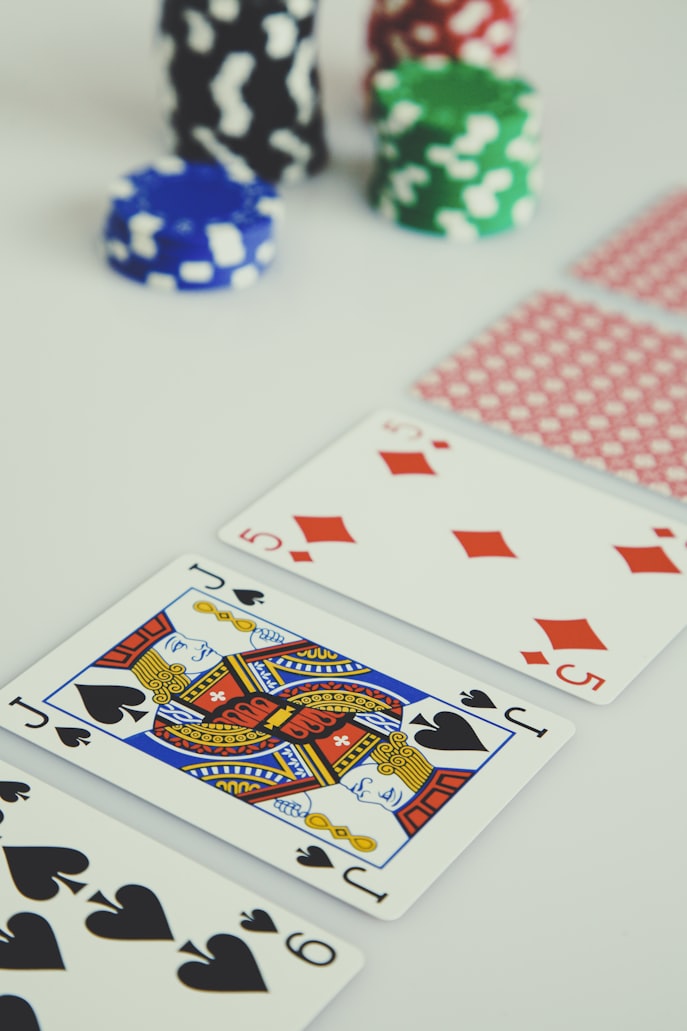
In addition to the thrill of playing, the unpredictability of luck contributes to the excitement of casino environments. Players may engage with fellow gamblers, sharing strategies and discussing recent wins or losses, all while recognizing that the element of chance binds their experiences. This camaraderie enhances the social aspects of gambling, creating an atmosphere where luck reigns but also where stories are exchanged, making the engagement more enjoyable.
The Importance of Skill in Gambling
Unlike luck-based games, certain casino games demand a higher level of skill from players, impacting their chances of winning. Poker is a prime example, where strategies, knowledge of the game, and reading opponents can create an edge over less skilled players. A skilled player will be adept at calculating odds and making decisions that can significantly influence the outcome of the game, illustrating how skill can indeed overshadow luck in certain scenarios.
Moreover, in games like blackjack, understanding the basic strategy, knowing when to hit or stand, and employing card counting can drastically affect one’s winning probabilities. This emphasis on skill distinguishes such games from purely chance-driven ones and attracts players who enjoy not only the thrill of gambling but the mental challenge that comes with it.

Furthermore, the development of skill in gambling often involves continuous learning and practice. Players who are dedicated to mastering a particular game will invest time in studying strategies, reviewing past games, and participating in discussions with other players. This commitment not only deepens their understanding of the game but also enhances their overall enjoyment, making skill-based games a rewarding endeavor in the gambling landscape.
The Balance of Luck and Skill
Interestingly, many games at casinos are a mix of luck and skill, prompting a deeper exploration into how these two elements interact. A player might depend on luck in the early stages of a game but rely on skill as they progress. In sports betting, for instance, while luck plays a role in individual game results, skilled bettors analyze statistics and team performance to place informed wagers.
This blend makes casino games intriguing, as players engage with both elements—betting on their luck while honing skills that could offer long-term benefits. As a result, the path to becoming a proficient player often hinges on understanding the balance between these two aspects and how they influence one’s overall gaming experience.
Moreover, this duality can influence a player’s emotional state during gameplay. Recognizing when to lean on luck versus when to apply skill can lead to more strategic decision-making and better player satisfaction. This influences not only the immediate outcomes of the games played but also a player’s long-term perception of their abilities and experiences in the casino world.
The Impact of Responsible Gaming
Understanding the roles of luck and skill in casino games has significant implications for responsible gaming. Players who recognize that outcomes can be primarily dictated by luck often approach games with a healthier mindset, understanding losses as part of the experience. On the other hand, those who view certain games as entirely skill-based may feel compelled to chase losses, which can lead to unhealthy gambling behaviors.
Promoting responsible gaming practices, including setting limits on time and money spent, is crucial to fostering a safe gaming environment. By acknowledging the dual roles of luck and skill, players can engage in gaming while maintaining enjoyment and ensuring that it does not negatively impact their lives.
Furthermore, responsible gaming encompasses not only self-awareness but also education. Players should be aware of the risks associated with gambling and the importance of making informed decisions. Engaging in responsible practices, such as seeking support if needed, can contribute to a more sustainable approach to gaming, allowing individuals to appreciate the thrill without compromising well-being.
Explore More on Casino Dynamics
For those eager to delve deeper into the fascinating world of casino games and the dynamics of luck versus skill, exploring expert resources can provide valuable insights. Learning more about specific games, strategies, and responsible gaming practices is essential for enhancing your gambling experience. If you’re interested in more information specifically on pokies, check out pokies casino australia, where you can find discussions and advice on various gaming aspects.
Whether you prefer games of chance or those reliant on skill, understanding these nuances will aid you in approaching casino games thoughtfully. Enjoying the thrill of the game, while recognizing the limits of personal control, is key to a balanced and fruitful gambling experience. Engaging with the rich tapestry of casino dynamics not only enhances the enjoyment of games but equips players with the knowledge to navigate their journeys responsibly and confidently.